Sericulture and Silk Craftsmanship of China
Introduction
Sericulture and Silk Craftsmanship of China represent a long-standing tradition deeply rooted in the rural economy and cultural heritage of the nation. Originating primarily in the provinces of Zhejiang, Jiangsu and Sichuan, these practices involve the careful cultivation of mulberry trees, the nurturing of silkworms, and the intricate processes of spinning and weaving silk. These methods have been passed down through generations, primarily within families and local communities, and were traditionally a key economic activity for women in rural areas. The art of silk-making is not only a technical process but also a cultural and historical journey, symbolizing life cycles, seasonal rituals and artistic expression.
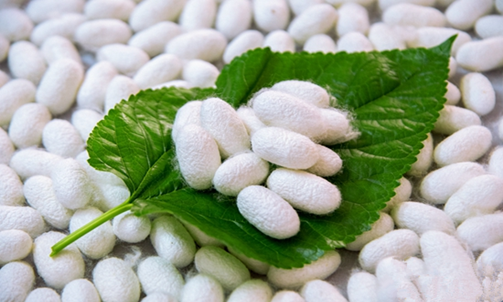
Silk, known as si in Chinese, has been woven into fabric for over 5,000 years, and its production is characterized by a unique cyclical process. Silkworms feed on the leaves of mulberry trees, producing cocoons from which the precious silk filaments are unraveled. The life cycle of the silkworm is deeply intertwined with human cultural practices, with festivals and rituals marking significant stages in the sericulture year. The Silkworm Flower Festival, for instance, celebrates the harvest season, with farmers adorning themselves with silk and paper flowers, bringing a vibrant cultural dimension to this ancient craft.
In 2009, the Sericulture and Silk Craftsmanship of China were inscribed on UNESCO's Representative List of the Intangible Cultural Heritage of Humanity.
History of Sericulture in China
Origin and Early Development
The origins of sericulture in China trace back several millennia, with the earliest known evidence of silk fabric dating to the Neolithic period. The Chinese systematically developed sericulture, mastering the art of cultivating mulberry trees and breeding silkworms for optimal silk production. This knowledge spread through early trade routes and became integral to Chinese society, setting the foundation for what would become an enduring cultural and economic practice.
Sericulture's significance is reflected in Chinese mythology, with the story of the Goddess of the Silkworm being a popular narrative. This tale is brought to life annually in homes and communities to invoke protection and prosperity, highlighting the cultural intertwining of silk production with daily life and spiritual beliefs. The origins of sericulture are not just about the technicalities of silk production but also about the socio-cultural fabric that has evolved alongside it.
Evolution Through Dynasties
The art and science of sericulture evolved significantly through China's dynastic periods, each contributing to the refinement and diversification of silk production techniques. During the Han Dynasty (206 BC-AD 220), silk became a vital commodity along the Silk Road, creating a vast network of trade that linked China with distant lands. This period marked silk as a symbol of prestige and wealth, enhancing its cultural significance.
The evolution of silk weaving techniques, such as those producing fabrics like ling, luo, chou and duan, demonstrate the intricate craftsmanship developed over centuries. The Song Dynasty (960-1279), in particular, saw significant advancements in silk production, with Hangzhou in Zhejiang province becoming renowned for its hangluo fabrics. These fabrics, noted for their lightness and breathability, reflect the sophisticated weaving techniques that have continued to be refined through subsequent dynasties.
Silk Production Techniques
China's diverse geography has given rise to various regional styles and techniques in silk craftsmanship, with each area contributing its unique flavor to the national tapestry. Notable silk-producing regions include Zhejiang, Jiangsu and Sichuan, each with its distinctive traditions and products. Zhejiang province, particularly Hangzhou, is renowned for hangluo gauze, a delicate and breathable silk fabric that reflects the area's advanced weaving techniques.
Jiangsu province is famous for its rich decorative silk products, including brocades and embroidery, which showcase the intricate artistry and technical prowess of local artisans. Sichuan, on the other hand, is known for its Shujin, or Sichuan brocade, characterized by complex patterns and vivid colors.
Traditional Methods
Traditional silk production methods are rooted in meticulous manual processes that require significant expertise and patience. The cycle begins with the cultivation of mulberry trees, which provide the essential food source for silkworms. Silkworms are carefully bred and reared until they spin cocoons, from which silk filaments are painstakingly unwound. This requires specialized skills in handling the delicate threads, as well as in spinning, dyeing and weaving them into fine fabrics.
The production process is inherently sustainable, with by-products like silkworm waste being used to fertilize ponds and mulberry trees, creating an environmentally harmonious system. Traditional methods emphasize the importance of craftsmanship, and the knowledge is typically transmitted through family lines and apprenticeships, ensuring the survival of these ancient techniques. Despite the labor-intensive nature of these methods, they yield fabrics of exceptional quality and tactile beauty, reflecting the dedication and skill of the artisans.
Modern Innovations
While traditional methods remain revered, the introduction of modern innovations has also transformed silk production in China. Techniques have been refined to increase efficiency and output, adapting to contemporary demands without compromising the fundamental quality of the silk. Innovations have included the development of mechanical looms and the application of advanced dyeing techniques, allowing for a broader range of colors and designs.
Efforts to preserve and revitalize traditional craftsmanship, such as those seen in the work of organizations like the Hangluo Conservation Organization, highlight the blend of old and new. These initiatives focus on enhancing productivity and sustainability while maintaining the cultural integrity of silk craftsmanship. The modernization of silk production not only ensures its economic viability but also expands its appeal to a global audience, reinforcing China's position as a leader in the silk industry.
Cultural Significance
Role in Chinese Culture
Silk has played a pivotal role in Chinese culture, symbolizing wealth, status, and artistic achievement. Its production and use are deeply embedded in the fabric of Chinese society, influencing fashion, art and social customs. Silk garments, accessories and household items are not merely functional but are imbued with cultural meaning, representing both the historical continuity and the innovative spirit of Chinese artisans.
Cultural festivals and rituals centered around silk production, such as the Silkworm Flower Festival, illustrate the intimate connection between silk and the rhythm of rural life. Silk's cultural impact is also reflected in its role in Chinese mythology and folklore, where it is often associated with themes of transformation, beauty, and prosperity.
Influence on Global Silk Trade
The global influence of Chinese silk is most notably marked by the Silk Road, a historic network of trade routes that facilitated the exchange of goods, ideas and cultural practices between East and West. Chinese silk was a highly coveted commodity along these routes, symbolizing luxury and sophistication across diverse cultures. The Silk Road not only expanded China's economic reach but also its cultural influence, as silk became a medium for cultural exchange and dialogue.
The legacy of the Silk Road continues today, with Chinese silk maintaining its status as a premium product in the global marketplace. The ability of Chinese artisans to innovate while preserving traditional craftsmanship has ensured the continued demand for Chinese silk worldwide.
Modern Development
In the contemporary era, sericulture and silk craftsmanship in China have undergone adaptations to remain relevant and sustainable. These adaptations include the integration of modern technology and innovation into traditional practices, enhancing productivity and expanding the industry's market reach. Mechanization in certain aspects of silk production has increased efficiency, while advancements in dyeing and finishing have broadened the range of silk products available to consumers.
Efforts to preserve traditional craftsmanship have also been bolstered by educational initiatives and cultural programs that promote the transmission of skills to younger generations. These programs aim to foster a new generation of artisans who can continue the legacy of silk craftsmanship while embracing modern techniques and materials. By striking a balance between tradition and innovation, sericulture in China continues to thrive, adapting to the demands of the contemporary market while preserving its cultural heritage.
The promotion of sericulture and silk craftsmanship has become an important aspect of cultural tourism in China, drawing visitors interested in experiencing the country's rich textile heritage. Silk-themed museums, exhibitions, and cultural festivals provide opportunities for tourists to learn about the history and techniques of silk production, as well as to purchase authentic silk products.








